ARCHITECTURE · VALUE · LONG OWNERSHIP
Designing for Long Ownership

AN AUVRE FIELD NOTE BY
Sofia Laurent
Director, Architecture & Research
PUBLISHED ON
8 min read
A lasting residence anticipates change without becoming generic—supporting family, work, care and climate with rooms that can evolve gracefully.
Begin with durable spatial ideas
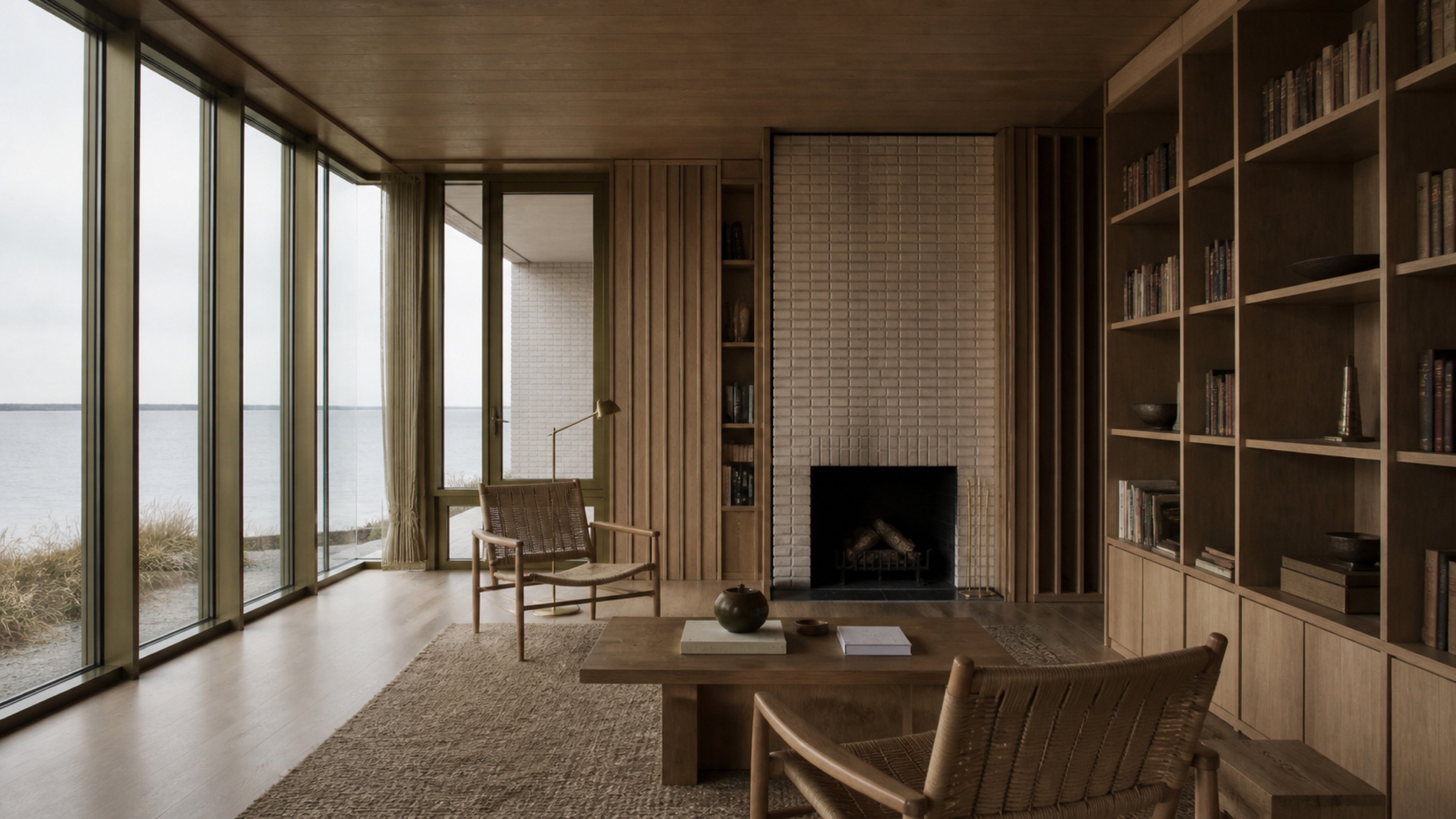
Rooms with clear proportions, useful light and more than one possible arrangement survive changes in taste better than spaces designed around a single photograph. A library can become a study, a guest room can support care, and a secondary salon can absorb work or play when circulation and services have been considered from the beginning.
Flexibility does not require neutrality. Strong materials, carefully placed openings and a coherent structure can give a house identity while leaving its occupation open. The goal is not a blank container, but an architecture that remains generous when furniture, family and routines change.
Separate systems from surfaces
Technology ages faster than stone, timber or plaster. When lighting controls, climate equipment and communications are buried without access, every upgrade risks damaging the architecture. Service zones, accessible risers and documented routes allow systems to evolve while important finishes remain intact.
The same principle applies to energy. Space for additional battery capacity, future heat-pump equipment or water treatment can prevent disruptive alteration later. Resilience is easier to add when the building has already made room for it.
Design for more than one generation
Long ownership changes the relationship between principal and secondary spaces. Step-free routes, a lift planned before it is needed and at least one suite capable of supporting limited mobility can preserve independence. Separate guest or staff accommodation may later serve adult children, extended family or specialist care.
Privacy within the home matters as much as privacy from outside. A plan that allows several households to share common rooms while maintaining distinct sleeping, working and outdoor areas is more likely to remain useful through complex family life.
Let materials record time well
A material is durable when wear adds depth rather than looking like damage. Solid timber can be repaired, stone can be re-honed and unlacquered metal develops a coherent patina. Thin veneers and proprietary finishes may look flawless at completion but become difficult to restore after years of use.
Long ownership is ultimately a design brief for care. The house should make maintenance understandable, adaptation possible and daily life increasingly familiar. When architecture accepts time rather than fighting it, continuity becomes one of the property’s most compelling luxuries.
Sofia Laurent
Director, Architecture & Research
CONTINUE THE RESEARCH


